
Spring Safety Tips Every Business Owner Should Know for Outdoor Work
Spring Safety Tips Every Business Owner Should Know for Outdoor Work
As the weather warms up, many businesses jump back into outdoor projects to refresh their properties for the season. But with the return of sunny days also comes a new round of potential hazards—everything from uneven walkways to faulty equipment. Taking time now to prepare your space and your team can help prevent injuries, unnecessary downtime, and costly insurance claims.
Below are practical, easy-to-follow steps to help ensure your outdoor season gets off to a safe start.
Inspect Outdoor Areas for Winter Damage
The colder months often leave behind problems that aren’t immediately visible until someone trips or slips. Things like cracks in the pavement, unstable steps, potholes, or buckled pathways can all create risks for employees and visitors.
Walk your property thoroughly, paying special attention to parking lots, staircases, sidewalks, and high-traffic outdoor areas. If you spot any issues, create a repair plan—patching uneven surfaces, repainting step edges for visibility, or adding slip-resistant materials where conditions may still be slick. Addressing minor damage early can help stop bigger issues from developing later on.
Remove Clutter from Walkways and Work Zones
Outdoor areas naturally accumulate clutter over time, whether it’s leftover materials, equipment that hasn’t been put away, or items stored temporarily and forgotten. Hoses, extension cords, discarded signage, and yard tools can quickly become tripping hazards when left out.
A quick cleanup can make a major difference. Organize tools in designated storage areas, put away old project materials, and make sure paths and work areas are completely clear. A tidy workspace is one of the simplest ways to prevent accidents.
Check Outdoor Tools and Equipment Before Using Them
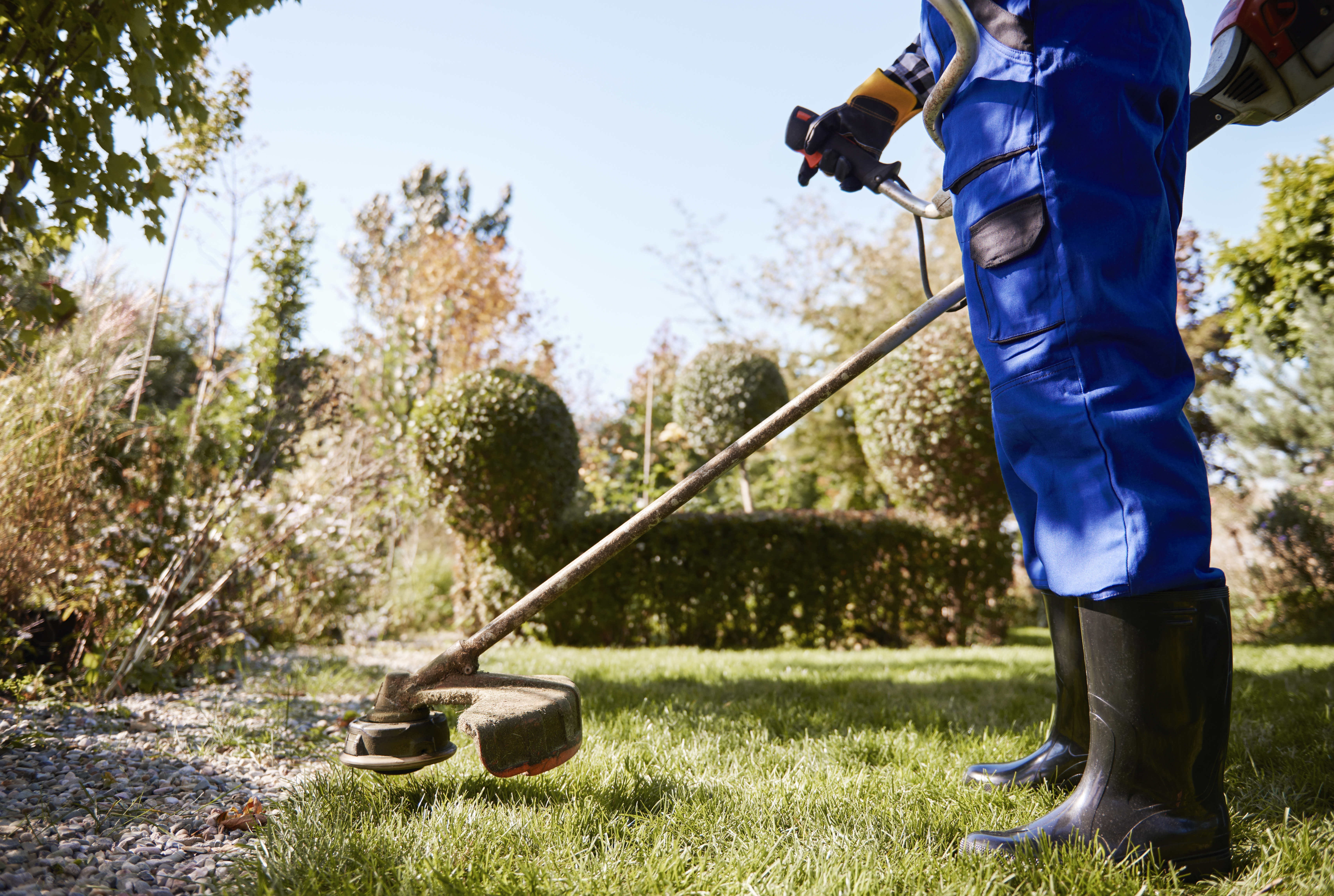
Before your team gets back to using equipment like mowers, leaf blowers, trimmers, and pressure washers, it’s smart to give everything a careful inspection.
Look for frayed cords, broken switches, loose guards, or signs of wear and tear. Repair or replace anything that doesn’t appear safe to use. Proper maintenance not only protects workers—it also helps you avoid delays caused by unexpected equipment breakdowns.
Review Ladder Safety for Spring Projects
Tasks like cleaning gutters, replacing outdoor signage, or washing upper windows all require ladders. While they’re common tools, they can also lead to serious injuries if handled incorrectly.
Make sure ladders are sturdy and placed on stable, even ground before anyone climbs. Remind your team to avoid stretching or leaning while elevated, and encourage them to reposition the ladder instead of overreaching. A brief refresher on ladder safety can prevent painful falls and long-term injuries.
Help Employees Avoid Strains and Overexertion
Spring often brings a surge of physical tasks—lifting, hauling, moving equipment, and doing jobs that haven’t been done in months. Without proper technique, these activities can lead to muscle strains or back injuries.
Encourage employees to lift with their legs instead of their backs and to refrain from twisting while carrying heavy objects. Remind them that it’s okay—and expected—to get help with large or awkward loads. Small changes in posture and technique can significantly reduce the risk of injury.
Refresh Personal Protective Gear for the Season
Outdoor environments come with their own challenges, such as debris, branches, or insects. Ensuring your team has the right protective equipment is essential.
Confirm that workers have access to sturdy gloves, durable footwear, protective eyewear, and high-visibility clothing when working near traffic. On bright days, sunglasses can help reduce glare and protect eyes. These simple precautions show your commitment to worker safety and help prevent avoidable harm.
Prepare for Sun, Heat, and Seasonal Insects
Along with mild temperatures, spring also introduces increased sun exposure, heat, and insects that can cause irritation or health issues if not addressed properly.
Encourage workers to drink plenty of water, take breaks in shaded areas, and apply sunscreen regularly. Bug repellent, hats, and long-sleeved clothing can offer added protection, especially for those working in grassy, wooded, or open outdoor areas. Staying proactive helps prevent heat-related illnesses and insect-related problems.
Double-Check Your Emergency Preparedness
Spring is a great time to review emergency procedures and confirm that your safety equipment is still in good working order. Having a clear, updated plan can make a big difference if something unexpected happens.
Test smoke alarms, check expiration dates on fire extinguishers, and restock first-aid kits so they're ready for use. Go over emergency steps with your team so everyone knows how to respond in case of an urgent situation. Preparedness brings peace of mind and strengthens workplace safety.
Strong Insurance Coverage Is Your Safety Net
Even when safety procedures are followed carefully, accidents can still occur. That’s why having reliable commercial insurance remains a key part of protecting your business. Policies such as general liability and workers’ compensation provide essential support when an incident happens.
If it’s been a while since your last policy review, spring offers a perfect opportunity to reassess your coverage. With your team back outdoors, it’s important to ensure your insurance is positioned to handle potential risks.
If you’d like help reviewing your commercial insurance, reach out—we’re here to make sure you’re prepared for whatever spring brings your way.