
Back-To-School Safety Reminders
As families across Georgia and the Southeast prepare for a new school year, it’s the perfect time to revisit everyday safety routines. From the morning commute to after-school activities, a little planning helps children feel more confident and gives parents added peace of mind. Reinforcing these simple habits helps create smoother, safer days for students of all ages.
Back-to-school safety goes far beyond what happens in the classroom. Whether a child is walking to school, riding the bus, or settling into their afternoon routine, awareness and preparation play an important role. Taking a few extra minutes to review expectations now can help everyone get the school year off to a steady start.
Safe Habits Before the School Day Starts
For many families, the trip to school is the first major transition of the morning. No matter how students get there, understanding a few key practices can make youngsters safer and more prepared during their commute.
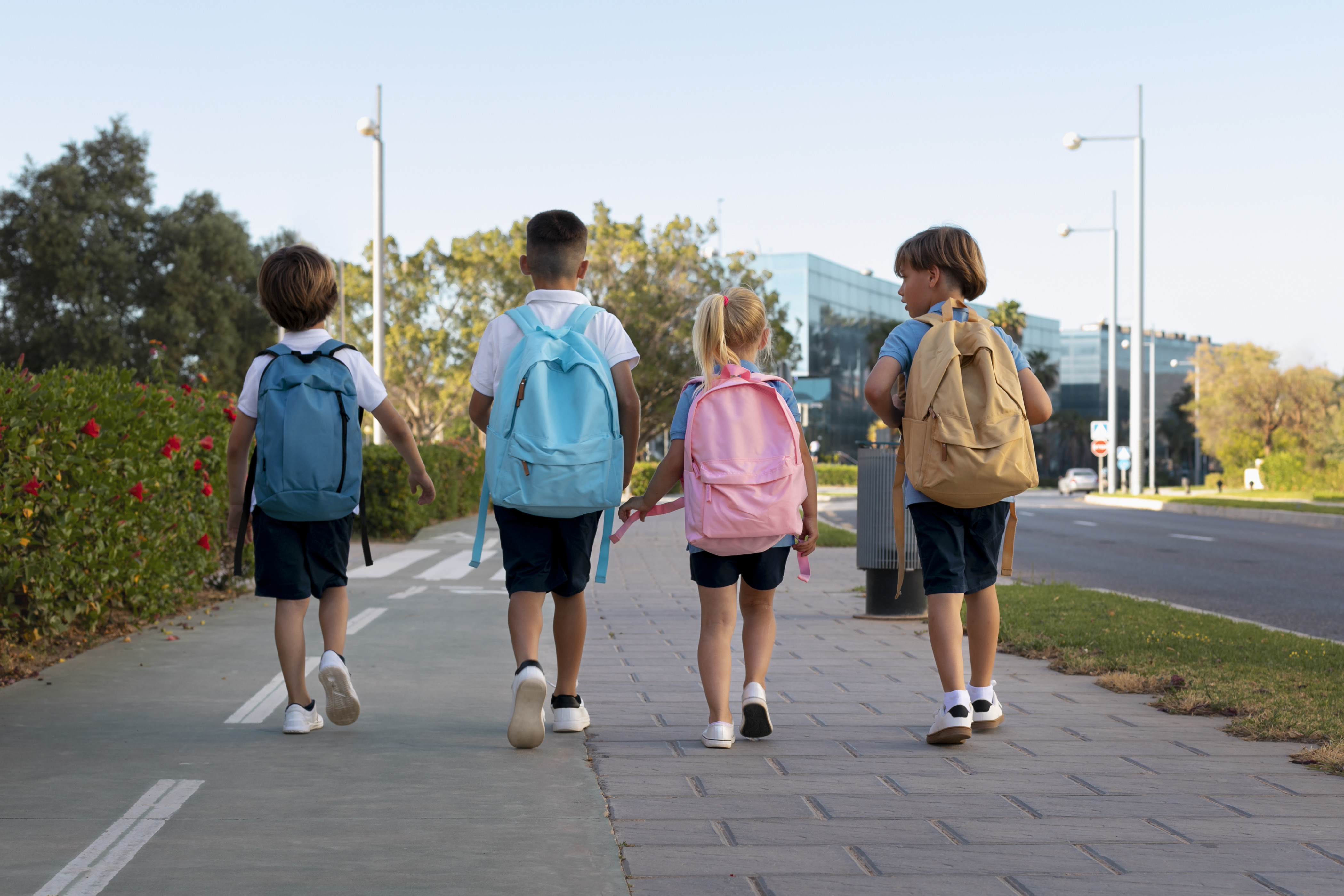
Children who walk to school should stick to sidewalks whenever possible. Crossing the street only at designated intersections or crosswalks is essential, and looking both ways before stepping into the roadway should be a routine habit. Making eye contact with drivers can offer extra assurance that a child has been seen. Families may also encourage children to walk with siblings or friends so they can watch out for one another along the way.
Students who ride their bikes should always wear a correctly fitted helmet. Riding on the right-hand side of the road and following the flow of traffic helps keep cyclists predictable for drivers. It’s also important for kids to come to a full stop before crossing a street. Choosing bike-friendly routes with lighter traffic can help make the morning ride feel calmer and less risky.
Bus riders benefit from a quick safety refresher, too. Children should wait several feet away from the curb as the bus approaches and avoid stepping forward until it has fully stopped. They should also steer clear of walking directly behind or immediately in front of the bus unless they have confirmed the driver can see them. These habits help reduce the risk of accidents during busy pick-up times.
Parents who drive their children to school also play a major part in keeping school zones safe. Slowing down in designated areas, following drop-off instructions, and never passing a bus while it is loading or unloading are all important daily reminders.
Older students who drive themselves may need extra guidance as well. Reviewing expectations around seatbelts, posted speed limits, and distracted driving can help reinforce responsible choices before they get behind the wheel.
Building Safe and Healthy School-Day Routines
After children arrive at school, several everyday habits can help support their well-being throughout the day. One of the most valuable things students can learn is how to handle emergencies. Children should know their full name, home address, and a parent or guardian’s contact number. Many families also place a laminated card inside a backpack that includes emergency phone numbers, allergy details, or other medical information to ensure it’s easy to locate if needed.
Maintaining healthy habits is equally important during the school year. With many students gathering in shared spaces, germs can spread easily. Reminding kids to wash their hands regularly and avoid sharing drinks or food can help cut down on passing illnesses around the classroom.
Backpacks also deserve attention. Carrying too much weight can lead to strained shoulders or back discomfort over time. Specialists typically suggest that a backpack weigh no more than 15% of a child’s body weight. Using both shoulder straps helps distribute weight more evenly and keeps children more comfortable throughout the day.
Bullying prevention remains an essential part of a safe school environment. Parents should have open conversations with their children about what bullying looks like, how to report it, and which adults at school they can trust if something feels wrong. Knowing there is dependable support available can make it easier for kids to speak up.
Even labeling belongings requires mindful choices. Rather than displaying a child’s full name on lunch boxes or backpacks, families may opt to use initials or place identifying labels on the inside for added privacy.
Staying Safe After School
Once the school day ends, safety awareness continues. The after-school window can be a busy time, especially for families juggling activities, homework, and different pick-up schedules. Setting up predictable routines can help keep children safe and accounted for.
A simple check-in system works well for many families. Children who walk home or arrive before a parent can call or send a message once they reach the house. Some families also use GPS devices or family locator apps to stay updated during the afternoon commute.
If a child spends time home alone, discussing expectations in advance is crucial. Parents should go over rules about locking doors, handling phone calls, and what to do if someone unexpectedly comes to the door. Giving children clear instructions helps them feel capable and secure.
Discussing online safety is equally important. Children should avoid sharing personal information such as their home address, daily routines, or school name online. Encouraging them to speak openly about anything that makes them uncomfortable helps strengthen trust and awareness around digital interactions.
Emergency planning should also be part of the conversation. Children should understand where to go during severe weather, how to exit the home safely in case of a fire, and who they can contact if a parent is unavailable. Practicing these steps at home can help build confidence if a real emergency ever occurs.
The back-to-school season brings new opportunities, routines, and responsibilities. Taking time to reinforce safety habits before, during, and after the school day can help families feel more prepared as the year unfolds. For guidance on protecting your family—from homeowners insurance to auto, life, and renters coverage—The Live Oak Insurance Agency is here to help families throughout Georgia, Florida, Tennessee, and South Carolina stay covered with personalized support and reliable insurance solutions.